The life of Bahíyyih Khánum, known to the world as the Greatest Holy Leaf, is a testament to unwavering resilience, spiritual devotion, and selfless service. As the daughter of Bahá’u’lláh, the Founder of the Bahá’í Faith, and the sister of ‘Abdu’l-Bahá, her story is inextricably linked to the Heroic Age of the Bahá’í Faith. To understand her legacy is to witness a life defined not by moments of tranquility, but by a steadfast dedication to the service of others and the advancement of a Divine Covenant.
A Childhood Forged in Adversity
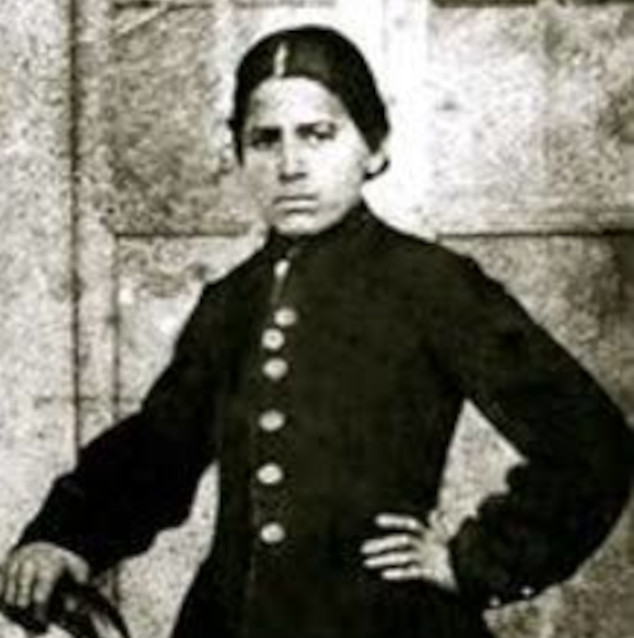
Born in Persia in 1846, Bahíyyih Khánum’s early years were shattered when she was only six. Following the imprisonment of her Father in the notorious “Black Hole” of Tihrán, her family was stripped of their noble standing and forced into a life of constant peril. She bore witness to the suffering of the early believers and the displacement of her family, experiencing a depth of hardship that would have broken a less resolute spirit. Her mother, Navváb, sold her own possessions to sustain the family during their harrowing, snow-bound exile through the mountains of western Persia to Baghdad. These formative experiences instilled in her a profound inner orientation, turning her heart away from worldly attachments toward a singular devotion to her Divine Father and His cause.
A Life of Constant Exile
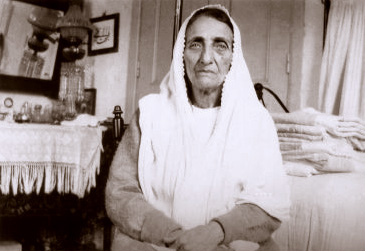
Bahíyyih Khánum’s life was marked by successive banishments—from Baghdad to Constantinople, then to Adrianople, and finally to the prison-city of ‘Akká. Through each displacement, she remained a pillar of strength for her family, sharing in their destitute conditions, disease-ridden environments, and the heavy burden of oppression. Her Brother, ‘Abdu’l-Bahá, deeply cherished her, once testifying that she was denied a single moment of tranquility throughout her life. Yet, in the face of such adversity, her spirit only grew more refined, her resolve more iron-clad, and her capacity for service more expansive.
The Pillar of the Faith
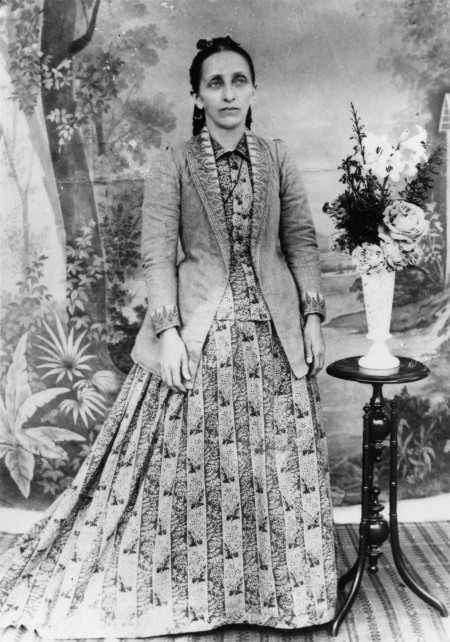
Following the passing of Bahá’u’lláh in 1892, Bahíyyih Khánum’s entire existence centered upon ‘Abdu’l-Bahá, the Centre of the Covenant. When He eventually passed away in 1921, the community was plunged into deep mourning. The young Guardian of the Faith, Shoghi Effendi, was devastated by the loss. In his moment of profound grief and overwhelming responsibility, it was the Greatest Holy Leaf who rose to support, comfort, and sustain him. She assumed the headship of the Faith at his request, steering the community with a blend of humility, dignity, and inner assurance that was uniquely hers. Her service during this transitional period ensured the continuity and stability of the Bahá’í institutions at a critical junction in their history.
The Passing of the Greatest Holy Leaf
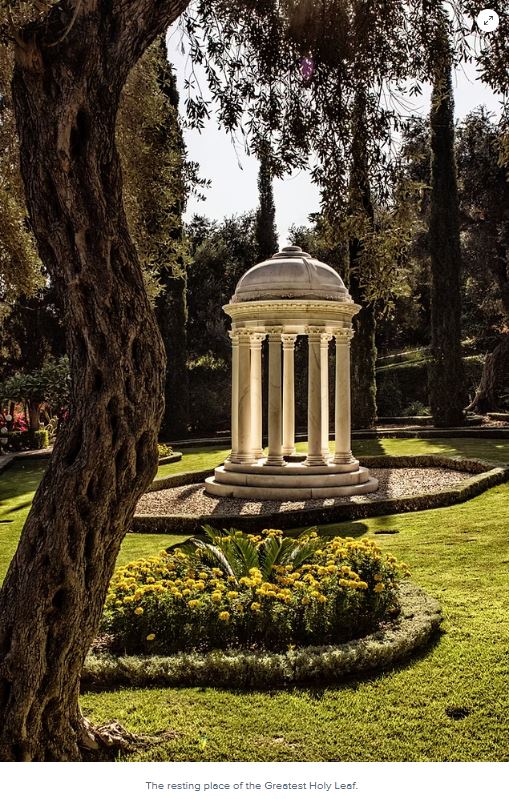
After a life of extraordinary service, the Greatest Holy Leaf passed away on July 15, 1932. Her passing was a “cruel blow” to the Holy Family, particularly to Shoghi Effendi, who never ceased to remember her and continued to associate her with the global unfoldment of the Faith. Complying with her wishes, Shoghi Effendi erected a monument where she is buried at the Bahá’í World Centre next to her mother, brother, and sister-in-law.
A Legacy of Luminous Service
Shoghi Effendi regarded her as the “outstanding heroine of the Bahá’í Dispensation”. He paid tribute to her as “The Last Survivor of a Glorious and Heroic Age”. Her life remains a luminous example for humanity a model of resilience in the face of calamity, devotion in the midst of betrayal, and service that transcends the self. Today, her resting place serves as a site of quiet reflection for those who seek to draw inspiration from a life lived with such extraordinary spiritual intensity. Her legacy continues to inspire generations, calling upon each of us to cultivate within ourselves that same spirit of unwavering service and selfless love for the betterment of the world.